
Comforting Gamjatang Pork Bone Soup for Spicy Cozy Nights
Last Updated on March 13, 2026 by Sophie
As the first chill of autumn settles in, I find myself craving hearty comfort foods that warm not just the body, but the soul. It was during one of these cozy evenings that I stumbled upon Gamjatang, a traditional Korean pork bone soup bursting with flavors that can only be described as a warm hug in a bowl. The robust aroma of simmering pork bones mingled with the vibrant spices instantly transported me to the bustling streets of Korea, where this dish is a staple for families gathering around the table.
With its tender potatoes and delightful kick from gochugaru, this spicy Gamjatang is not only satisfying but also surprisingly simple to make, requiring just a handful of ingredients. Whether you re looking to impress guests or comforting yourself after a long day, this dish promises to tick all the boxes. Get ready to dive into a culinary adventure that will have everyone clamoring for seconds because who can resist a soup this inviting?
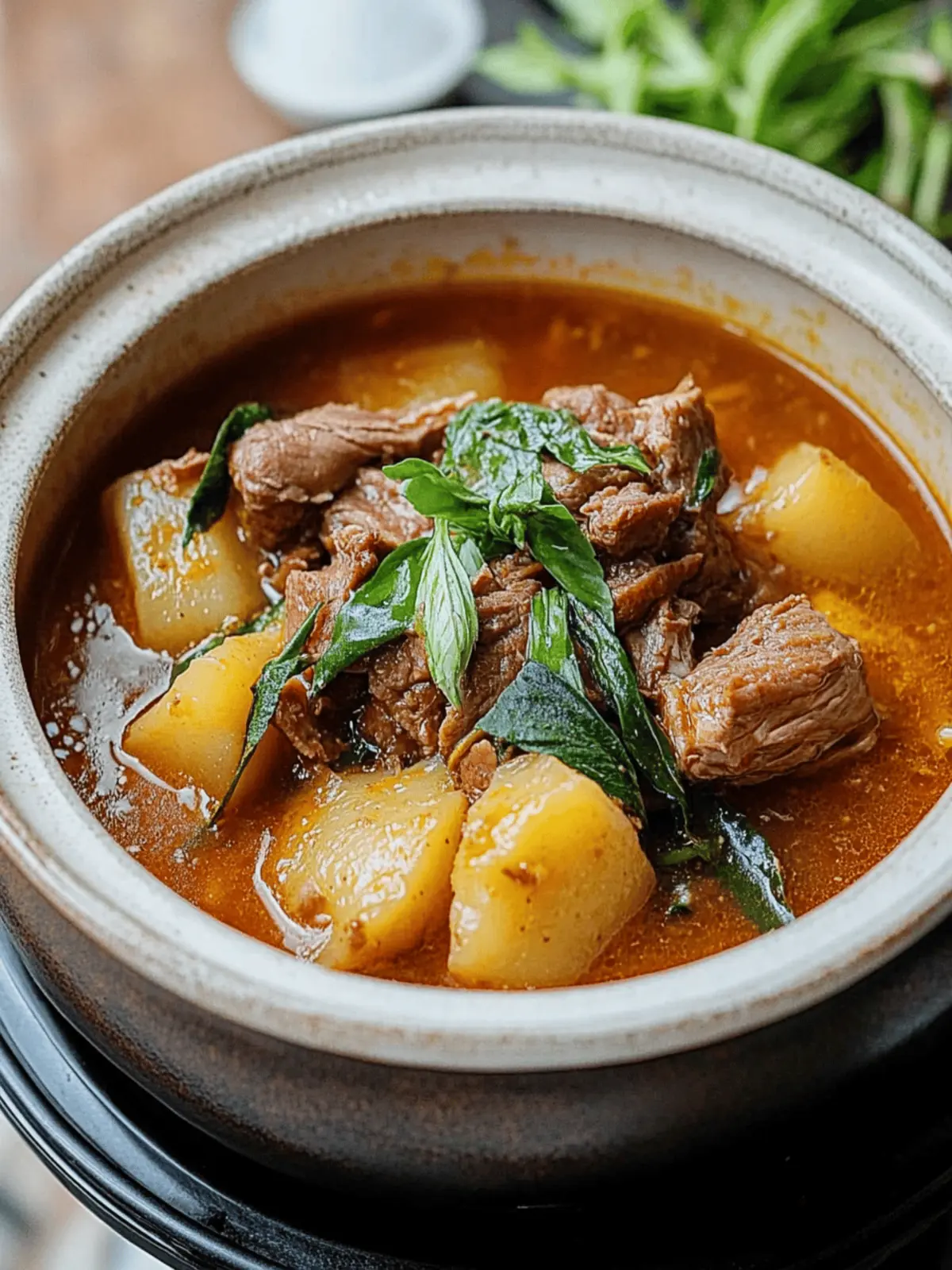
Why is Gamjatang (Pork Bone Soup) special?
Comforting warmth: Picture a large bowl of steaming Gamjatang, the epitome of cozy nights. Hearty ingredients: With tender pork bones and fluffy potatoes, this soup is filling yet light on your palate. Bold flavors: The unique blend of gochugaru and doenjang delivers a punchy, exciting taste that will leave your senses tingling. Easy to make: You ll be surprised at how simple it is; prep time is minimal, but the results are elevated. Crowd-pleaser: Serve it at gatherings, and watch your friends and family gather around for another helping. For best results, try pairing with steamed rice or a side of kimchi to balance the flavors perfectly!
Gamjatang Ingredients
Dive into this comforting dish with just a handful of ingredients to create an unforgettable experience!
For the Broth
- Pork Neck Bones Provides a rich and savory flavor; short ribs can be substituted for a different texture.
- Water Acts as the base for the soup; ensure you have enough to fully cover the bones.
- Doenjang (Fermented Soybean Paste) Adds depth and umami; can substitute with white miso paste in a pinch.
- Dried Shiitake Mushroom Enhances umami flavor; use any dried mushroom if shiitake isn t available.
- Sliced Ginger Infuses the broth with warming spice; fresh ginger is preferred for best flavor.
- Small Onion Contributes sweetness and depth; choose a yellow or white onion for optimal results.
For the Seasoning
- Garlic Cloves Offers aromatic flavor; minced garlic can blend well into the broth.
- Gochugaru (Korean Red Pepper Flakes) Adds spiciness and color; adjust the amount based on your heat preference.
- Gochujang (Korean Red Pepper Paste) Balances heat with sweetness; perfect for a comforting twist.
- Fish Sauce Adds umami and salinity; can be replaced with soy sauce for a vegetarian option.
- Plum Syrup Brings sweetness and complexity; honey can be an acceptable substitute.
For the Vegetables
- Russet Potato Adds texture and heartiness; Yukon Gold potatoes make a great alternative.
- Daepa (Large Green Onion) Offers a subtle onion flavor; regular green onions can be used instead.
- Young Radish Greens or Napa Cabbage Provides freshness; Napa cabbage offers a similar mouthfeel.
- Serrano Pepper Adds heat; feel free to use any spicy pepper or omit if you prefer milder flavors.
- Perilla Leaves Adds a unique flavor; substitute with mint or basil if needed.
For the Final Touches
- Black Pepper For seasoning to taste; freshly cracked is often preferred.
- Knorr Chicken Bouillon Enhances the broth depth; can be omitted for a vegetarian version.
- Perilla Powder Adds a nutty flavor; skipping it won t compromise the dish but enhances authenticity.
With these ingredients for your Gamjatang (Pork Bone Soup), you re set for an incredible journey into homemade comfort food!
How to Make Gamjatang (Pork Bone Soup)
Soak: Start by soaking the pork neck bones in cold water for 1 hour, changing the water once or twice. This helps remove impurities for a clearer broth.
Prep: While the bones soak, prep your aromatics. Slice the garlic, green onion, ginger, onion, and radish greens to ensure everything is ready for cooking.
Mix Seasoning Paste: In a bowl, combine minced garlic, gochujang, gochugaru, fish sauce, perilla powder, black pepper, plum syrup, water, and bouillon. This vibrant paste will add depth to your Gamjatang.
Boil the Bones: Drain and rinse the soaked pork bones. Place them in a pot with room temperature water and bring to a boil over high heat for 10-15 minutes, then drain and rinse again to keep the broth clear.
Simmer the Broth: Return the pork to a clean pot, add 8 cups of water, ginger, onion, shiitake mushroom, and doenjang. Bring to a boil again, skim any impurities, cover, then reduce the heat to a gentle simmer. Cook for 90 minutes.
Add Vegetables: After cooking, remove the ginger and shiitake to slice, if desired. Stir in the prepared seasoning paste, potatoes, green onions, blanched radish greens, and serrano pepper. Cook for an additional 30 minutes until the potatoes are tender.
Finish Up: Finally, add the perilla leaves, stir well, and serve your delicious Gamjatang once the potatoes are perfectly soft.
Optional: Serve with steamed white rice and a side of kimchi for a perfect meal!
Exact quantities are listed in the recipe card below.
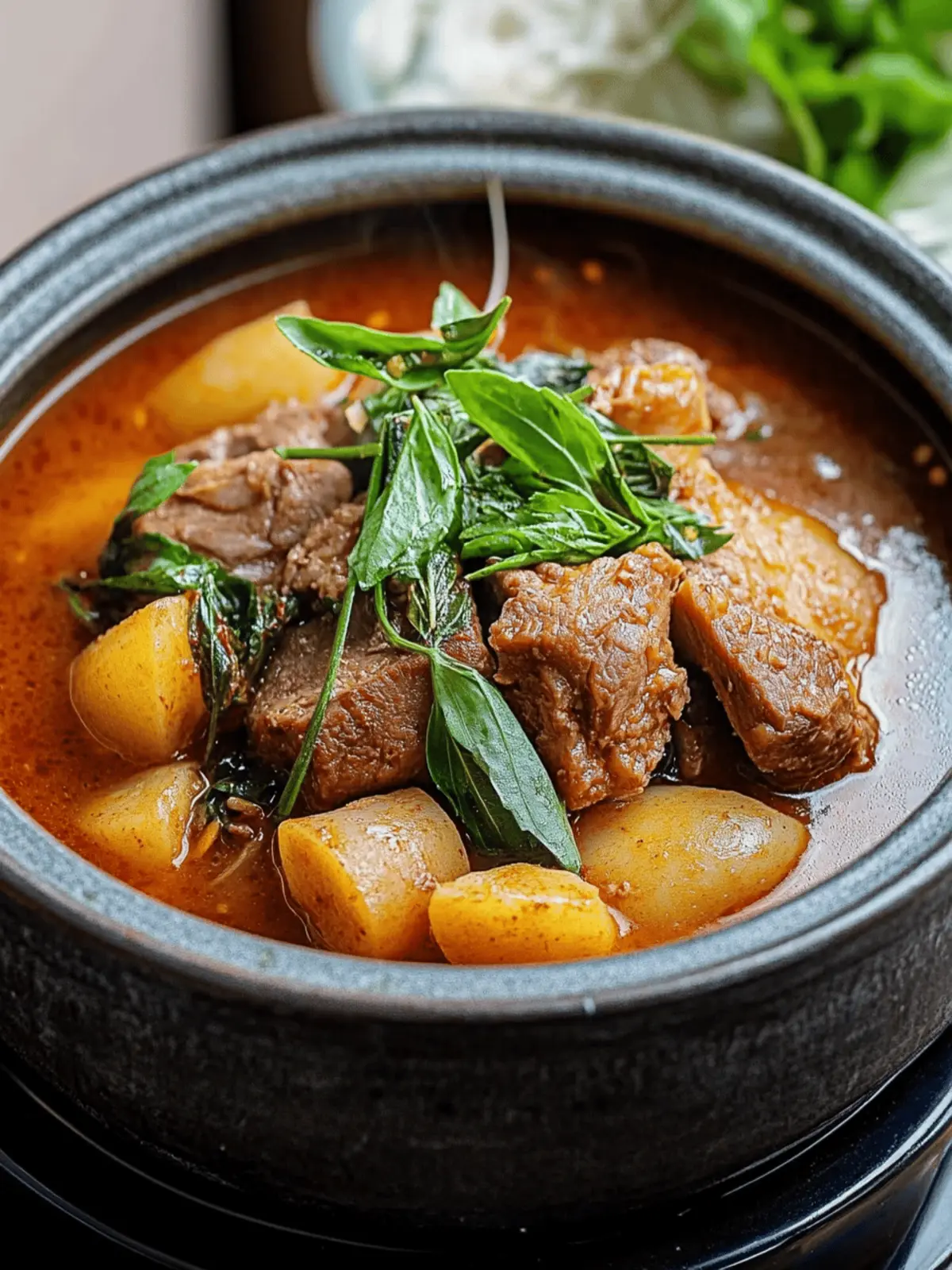
Expert Tips for Gamjatang (Pork Bone Soup)
Soaking Secrets: Soak the pork neck bones well before cooking; this crucial step removes impurities and enhances broth clarity.
Heat Adjustment: Be mindful of the gochugaru; adjust according to your spice preference. Start low and taste-test to find your perfect balance.
Layer Flavor Wisely: Add perilla leaves only at the end of cooking to maintain their fresh flavor and vibrant color in your Gamjatang.
Time-Saving Tip: If you re short on time, pressure cooking the pork bones significantly reduces the simmering time for a speedy, flavorful broth.
Ingredient Freshness: Opt for fresh ginger and vegetables for the most aromatic and vibrant results in your comforting soup.
Make Ahead Options
These hearty Gamjatang (Korean Pork Bone Soup) make-ahead options are ideal for busy weeknights! You can soak and rinse the pork neck bones up to 24 hours in advance, allowing them to sit in cold water overnight. Additionally, prepare your seasoning paste and chop the aromatics ahead of time, storing them in airtight containers in the refrigerator for up to 3 days. When you re ready to serve, simply follow the remaining steps by boiling the bones and simmering with prepared vegetables. This not only saves time but keeps your soup just as delicious and comforting, ensuring that you enjoy a warm bowl of goodness with minimal effort!
What to Serve with Gamjatang (Pork Bone Soup)?
Elevate your dining experience by pairing your warm bowl of Gamjatang with delicious side dishes and accompaniments that harmonize perfectly.
Steamed White Rice: The classic companion, fluffy rice absorbs the rich broth, balancing flavors while offering a comforting texture perfect for a hearty meal.
Kimchi: This spicy, tangy side adds a refreshing crunch that brightens up the meal, enhancing the overall experience with its probiotic benefits.
Napa Cabbage Salad: A simple salad with a light vinaigrette provides a clean contrast to the soup s richness, adding a fresh and crisp element to your plate.
Clear Noodles: These delicate noodles soak up the broth s flavor, adding another layer of texture and making each bite satisfying and enjoyable.
Pickled Radishes: The slight sweetness and tang from pickled radishes contrast beautifully with the warmth of Gamjatang, providing a delightful palate cleanser.
Korean Pancakes (Pajeon): Crispy and savory, these pancakes make a great side, offering a delightful texture and earthy flavors that complement the soup s heartiness.
Herbal Tea: A warm cup of ginger or ginseng tea post-meal aids digestion and adds a soothing touch to round off your culinary experience.
Pairing these delightful sides with your Gamjatang (Pork Bone Soup) will not only enhance the flavors but also create an inviting and memorable dining experience!
Storage Tips for Gamjatang (Pork Bone Soup)
Fridge: Store leftovers in airtight containers for up to 3 days. Let the soup cool before sealing to maintain freshness.
Freezer: Freeze Gamjatang in portions for up to 1 month. Consider using freezer-safe bags, removing excess air to prevent freezer burn.
Reheating: When ready to enjoy, thaw overnight in the fridge and reheat gently on the stove until heated through. Add a splash of water if needed to maintain consistency.
Taste Preservation: To preserve the rich flavors of your Gamjatang, avoid refreezing thawed soup. Enjoy this cozy dish while it s still at its best!
Gamjatang (Pork Bone Soup) Variations
Feel free to personalize your Gamjatang experience with these delightful twists that will deepen the flavors and cater to your cravings!
Vegetarian: Replace pork neck bones with seitan or tofu; use vegetable broth for a vegetarian version.
Extra Veggies: Add carrots or zucchini for a nutrient boost and added color in each bowl.
Spicy Kick: For more heat, insert jalape ±os or a sprinkle of crushed red pepper flakes to awaken your taste buds.
Mushroom Medley: Experiment with a mix of mushrooms like oyster or enoki instead of just shiitake for varied textures.
Noodle Lovers: Add cooked udon or ramen noodles to transform Gamjatang into a heartier dish.
Flavor Fusion: Try enhancing the broth with lemongrass or lime leaves for a zesty twist that brightens the traditional flavors.
Nutty Finish: Drizzle a bit of sesame oil just before serving for a rich, toasted flavor that elevates the soup.
Miso Delight: Incorporate miso paste into the broth along with the doenjang for an even deeper umami experience.
With these variations at your fingertips, your Gamjatang will become a canvas for culinary creativity invite friends, share your masterpieces, and let the cozy moments begin!
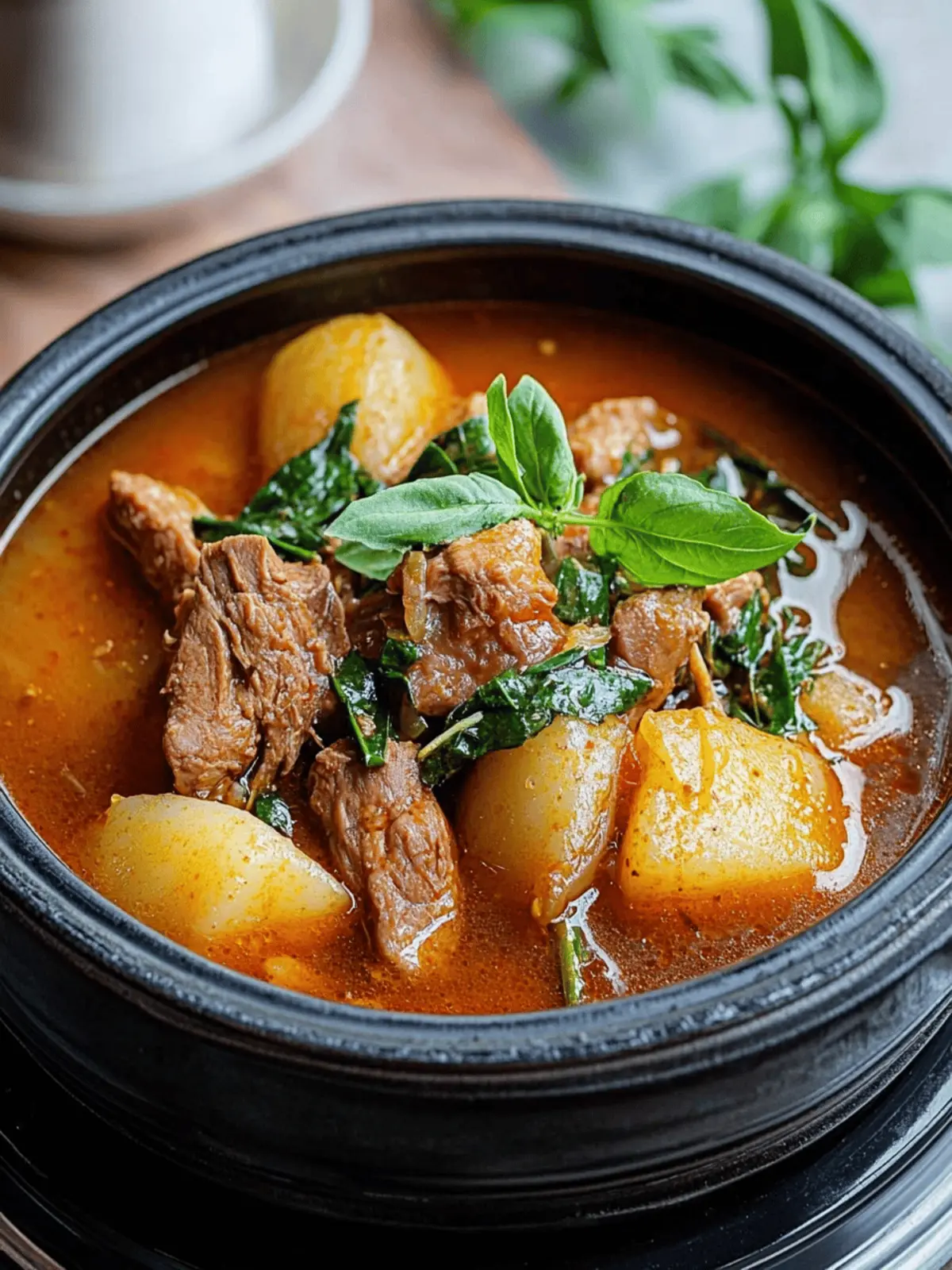
Gamjatang (Pork Bone Soup) Recipe FAQs
How do I select the right pork neck bones?
Absolutely! When choosing pork neck bones, look for pieces with a good amount of meat still attached, as this will enhance the flavor of your broth. The bones should be fresh and have a pinkish hue; avoid any with dark spots or an off smell. If neck bones aren t available, short ribs can work as a lovely alternative, adding a different texture to the soup.
What is the best way to store leftover Gamjatang?
Very simple! Store your leftover Gamjatang in airtight containers and place them in the fridge for up to 3 days. Ensure the soup has cooled to room temperature before sealing it to maintain its freshness. If you want to enjoy it later, you can freeze it for up to 1 month. Make sure to use freezer-safe bags and try to squeeze out as much air as possible to prevent freezer burn.
Can I freeze Gamjatang? If so, how?
Absolutely! To freeze your Gamjatang, let it cool completely before transferring it to freezer-safe containers or bags. Label the bags with the date and try to remove excess air to maintain texture and prevent freezer burn. When ready to enjoy, just thaw it overnight in the refrigerator and gently reheat on the stove while stirring, adding a splash of water if needed to adjust the consistency.
What should I do if my broth is too greasy?
If your Gamjatang turns out greasy, don t worry, it s a common issue! After simmering, let the soup sit for a while, and as it cools, the fat will rise to the surface. You can skim it off with a ladle or spoon. Another method is to refrigerate the soup overnight; the fat will solidify at the top, making it easy to remove before reheating.
Is Gamjatang safe for those with dietary restrictions like allergies?
Very much so, but always check the ingredients! Gamjatang contains several flavorful ingredients; if anyone has allergies, pay close attention to the fish sauce or any specific, spicy components like gochujang or gochugaru. For those avoiding meat, consider using seitan or tofu in place of the pork neck bones, and vegetable broth instead of chicken bouillon to create a delightful vegetarian version.
Can I adjust the spiciness of Gamjatang?
Absolutely! If you re sensitive to spice, you can reduce the amount of gochugaru and omit the serrano pepper. Alternatively, taste as you go; you can always add a pinch more if you crave heat. I often find that adjusting spices to personal preference makes this dish even more enjoyable!