
Delicious Filipino Sapin-Sapin: Festive Layered Rice Cake Recipe
Last Updated on March 13, 2026 by Sophie
As the sun sets and the kitchen begins to fill with the sweet aroma of coconut and vanilla, I m transported back to my childhood memories of family gatherings. There s something truly special about the colorful layers of Sapin-Sapin, the Filipino layered rice cake that has become a beloved tradition in our home. Each bite tells a story, rich with flavors of ube and ripe jackfruit, while its soft, chewy texture offers comfort that feels both nostalgic and warm.
When I first attempted to make this delightful treat, I was surprised at how simple it was to craft such a stunning centerpiece. Don t let the multi-layered look fool you; this dessert comes together effortlessly, making it perfect for any occasion whether it s a festive celebration or just a sweet treat to brighten a weeknight. Join me in exploring the joy of creating this eye-catching dessert that s as pleasing to the eyes as it is to the palate!
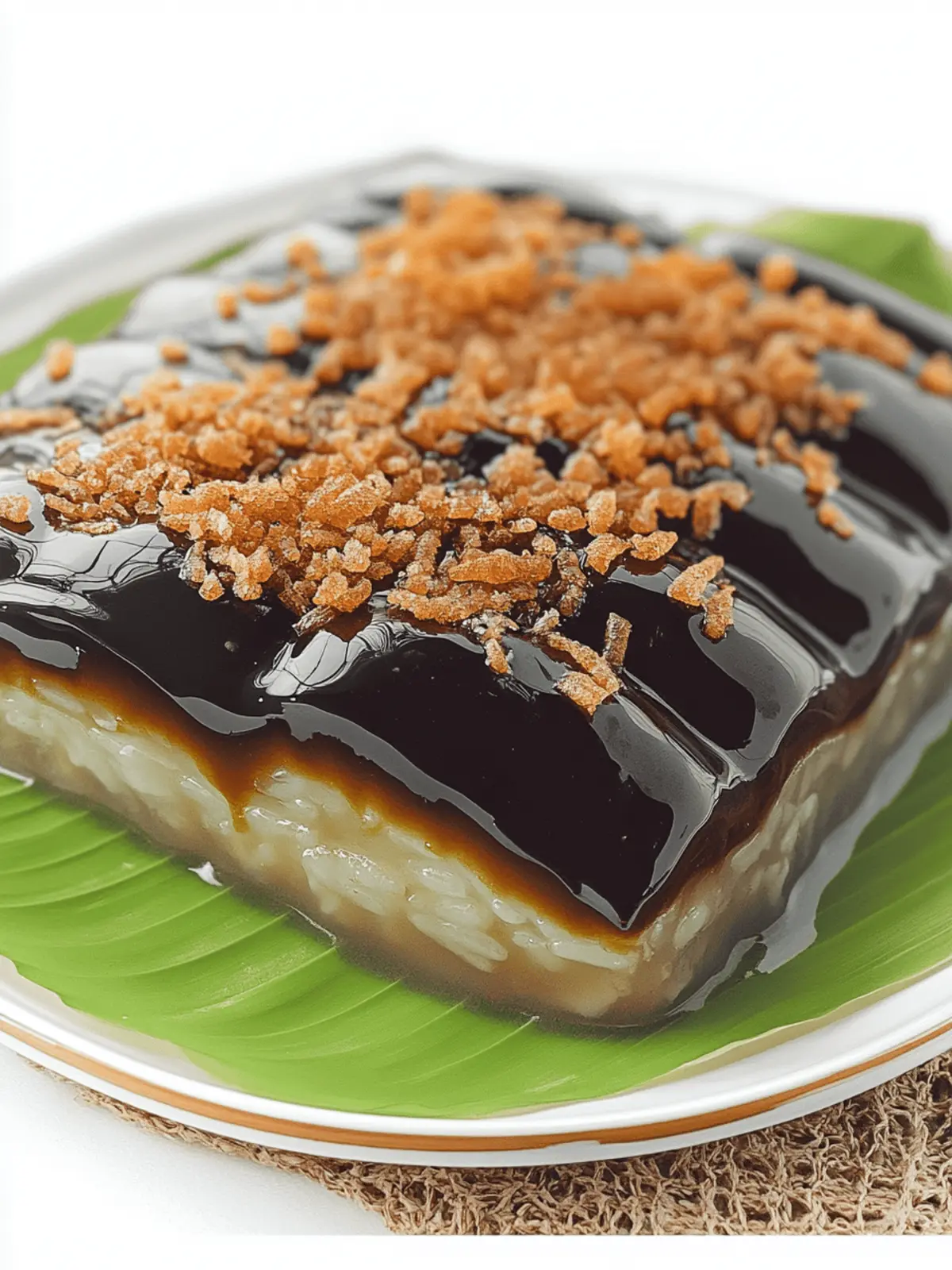
Why is Filipino Sapin-Sapin so special?
Vibrant colors: Each layer of Sapin-Sapin offers a stunning visual feast, making it an eye-catching centerpiece for any gathering.
Unique flavors: With layers of ube, jackfruit, and a plain base, this dessert brings a delightful symphony of tastes that embodies Filipino tradition.
Easy to make: Despite its layered appearance, this recipe is surprisingly straightforward perfect for both novice cooks and seasoned chefs alike.
Perfect for occasions: Whether for celebrations or casual indulgence, this festive dessert is a crowd-pleaser that always leaves guests wanting more.
Nostalgic comfort: Each bite is reminiscent of cherished memories, evoking warmth and joy that turns any meal into a special occasion.
Feel inspired? For alternative variations, check out my ideas on adding exciting new flavors!
Filipino Sapin-Sapin Ingredients
For the Batter
- Glutinous Rice Flour Essential for authentic texture, providing structure and chewiness to the cake.
- Rice Flour Adds a light texture; substitute with more glutinous rice flour for a denser cake if desired.
- Coconut Milk Contributes richness; use thick, fresh, or canned for the creamiest result.
- White Sugar Sweetens the dessert; can be replaced with coconut sugar for a hint of caramel flavor.
- Salt Enhances flavor, balancing the overall sweetness.
- Vanilla Extract Adds depth to the cake s flavor; optional but highly recommended.
For the Flavored Layers
- Ube Halaya (Purple Yam Jam) Provides both flavor and color for the purple layer; substitute with purple food coloring if needed.
- Ripe Jackfruit (Langka) Adds a natural sweetness and fruity flavor; canned jackfruit can be used if fresh isn t available.
- Yellow Food Coloring Optional, for enhancing the color of the jackfruit layer.
For the Topping
- Coconut Cream Used to make latik for a delightful topping; substitute with heavy cream if coconut cream is unavailable, though flavors will differ.
How to Make Filipino Sapin-Sapin
Prepare Latik: Begin by simmering coconut cream in a pan over medium heat. Stir continuously until golden brown curds form, then strain and set aside to cool.
Mix Batter: In a large mixing bowl, combine glutinous rice flour, rice flour, white sugar, and salt. Gradually add coconut milk while whisking until you achieve a smooth batter. Don t forget to stir in the vanilla extract for enhanced flavor!
Divide Batter: Carefully separate the mixed batter into three equal portions. Keep one portion plain, stir ube halaya into the second, and in the third portion, add jackfruit puree along with a few drops of yellow food coloring, if desired.
Grease Pan & Preheat Steamer: Lightly grease a round cake pan with coconut oil to prevent sticking. Meanwhile, set up your steamer and bring the water to a gentle simmer.
Steam Layers:
- Pour Purple Layer: Start by pouring the ube batter into the pan and steam for 15-20 minutes, or until set.
- Add Jackfruit Layer: Once the purple layer is firm, gently pour in the jackfruit batter and steam again for another 15-20 minutes.
- Finish with Plain Layer: Finally, pour the plain batter over the previous layers and steam for 25-30 minutes until the entire cake is fully set.
Cool & Unmold: After steaming, let the cake cool completely at room temperature. Once cool, run a knife around the edges and carefully remove the cake from the pan.
Top & Serve: Brush the top with a little coconut oil, sprinkle with your crispy latik, and cut it into wedges. Enjoy at room temperature for the best flavor!
Optional: Serve with a fresh topping of sliced jackfruit for extra sweetness!
Exact quantities are listed in the recipe card below.
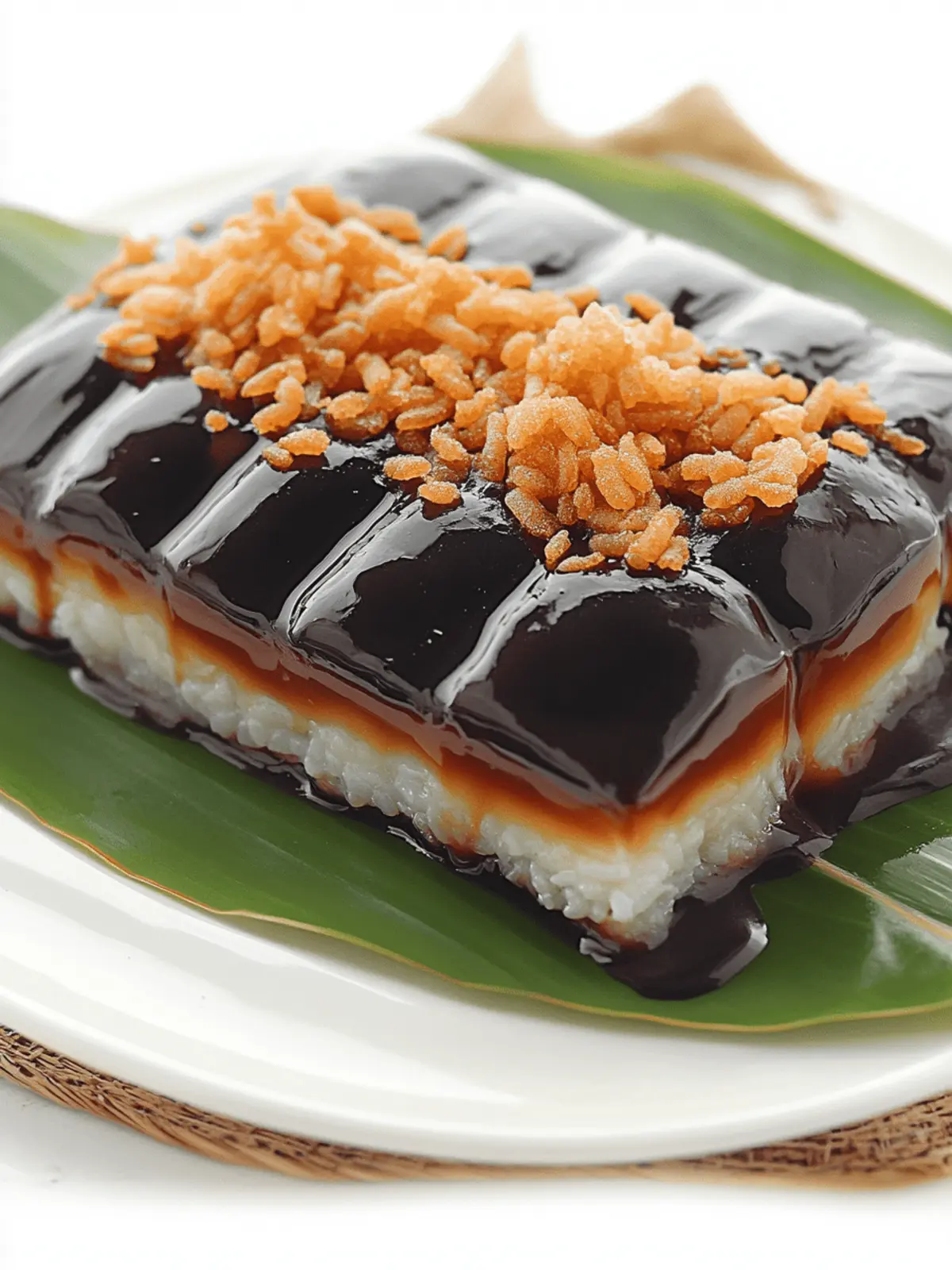
Filipino Sapin-Sapin Variations
Feel free to explore these delightful twists to make your Sapin-Sapin uniquely yours!
Matcha Layer: Substitute ube with matcha powder for a vibrant green layer and a hint of earthiness. A lovely addition for tea lovers!
Mango Puree: Swap jackfruit for ripe mango puree, adding sweetness and a refreshing tropical flavor. This fruity twist will brighten any occasion.
Coconut Flakes: Mix toasted coconut flakes into any layer for extra texture and a delightful crunch. Every bite becomes more interesting and flavorful!
Almond Extract: Replace vanilla extract with almond extract for a nutty undertone that pairs beautifully with the other flavors. Just a drop will do!
Choco Delight: Add cocoa powder to the plain layer for a chocolatey twist. A fantastic way to surprise loved ones with a sweet, rich layer!
Spiced Pumpkin: Incorporate pumpkin puree and a hint of cinnamon into one layer for a warm, cozy flavor reminiscent of fall. Perfect for holiday gatherings!
Lower Sugar: For a healthier version, cut back on sugar and incorporate natural sweet fruits like banana or puree apple for a natural sweetness.
Savory Option: Experiment by adding a pinch of salt and cheese in one layer for a savory twist, offering a unique contrast to the traditional sweetness. A bold culinary adventure!
Expert Tips for Filipino Sapin-Sapin
- Layer Firmness: Ensure each layer is fully cooked and firm before adding the next. This prevents them from mixing together and maintains distinct layers.
- Keep It Clean: Use a clean spatula or knife when smoothing and cutting. This will help achieve clean edges and showcase the beautiful layers in your Filipino Sapin-Sapin.
- Ingredient Substitutions: If ube halaya is unavailable, use a bit of purple food coloring for similar results. Adjust measurements as needed to maintain flavors and textures.
- Steaming Technique: Make sure your water is gently simmering before adding the pan to ensure even cooking. Steaming at high heat can cause inconsistencies.
- Cooling Time: Allow the cake to cool completely before unmolding. This step is crucial for the cake to maintain its shape and texture.
How to Store and Freeze Filipino Sapin-Sapin
Fridge: Store the Sapin-Sapin in an airtight container for up to 3 days. It s best enjoyed fresh, but refrigeration helps maintain its delightful texture.
Freezer: You can freeze the cake for up to 1 month. Wrap it tightly in plastic wrap and then in aluminum foil to prevent freezer burn.
Thawing: To enjoy the frozen Filipino Sapin-Sapin, thaw it in the refrigerator overnight. Serve at room temperature for the best flavor and texture.
Reheating: If desired, lightly steam the slices for a few minutes to refresh their texture before serving.
What to Serve with Filipino Sapin-Sapin?
Sapin-Sapin is not just a sweet treat; it invites a vibrant array of flavors and textures, perfect for rounding out your dining experience.
Coconut Sticky Rice: The sweet, rich flavors of coconut sticky rice mirror the coconut notes in Sapin-Sapin, creating a wonderfully cohesive meal.
Fresh Tropical Fruits: A medley of ripe mango, pineapple, and banana adds refreshing sweetness and a burst of color to your dessert table. They cleanse the palate delightfully after the creamy sweetness of Sapin-Sapin.
Black Sesame Ice Cream: The nutty, slightly salty taste of black sesame ice cream offers a unique contrast to the sweetness of the layered rice cake, enhancing the overall dining experience. A scoop adds a creative twist that guests will remember!
Sweetened Mashed Purple Yam: This dish complements the ube layer of Sapin-Sapin with its similar flavor profile, yet it brings an additional creaminess that pairs beautifully. It makes for a nostalgic combination.
Buko Pandan Salad: The refreshing mix of coconut and pandan flavors in this salad refreshes the palate between bites of Sapin-Sapin, enhancing its sweetness and providing an enjoyable contrast in textures.
Calamansi Juice: This bright, citrusy drink cleanses the palate and contrasts the rich flavors of the dessert. Its zesty notes uplift the meal, providing a refreshing balance.
Mango Float: This chilled dessert made of layers of ripe mango, cream, and graham crackers echoes the multi-layered appeal of Sapin-Sapin while introducing a fruity twist. Each bite feels festive and indulgent.
Coconut Cream Pie: The rich coconut flavor in this pie beautifully harmonizes with the coconut notes in Sapin-Sapin, creating a cohesive dessert experience that feels lavish yet comforting.
Each pairing enhances your Sapin-Sapin experience, weaving together flavors and textures that bring joy to every celebration.
Make Ahead Options
Sapin-Sapin is an excellent choice for meal prep enthusiasts! You can prepare the layered rice cake up to 24 hours in advance, allowing flavors to meld beautifully. To do this, simply steam the cake as directed, then let it cool completely. Once cooled, wrap it well in plastic wrap and store it in the refrigerator to maintain its freshness. When you re ready to serve, uncover and let it come to room temperature for about 30 minutes. Garnish with latik just before presenting to your guests, ensuring every layer remains just as delicious as when it was first made. This way, you can impress everyone with minimal last-minute effort!
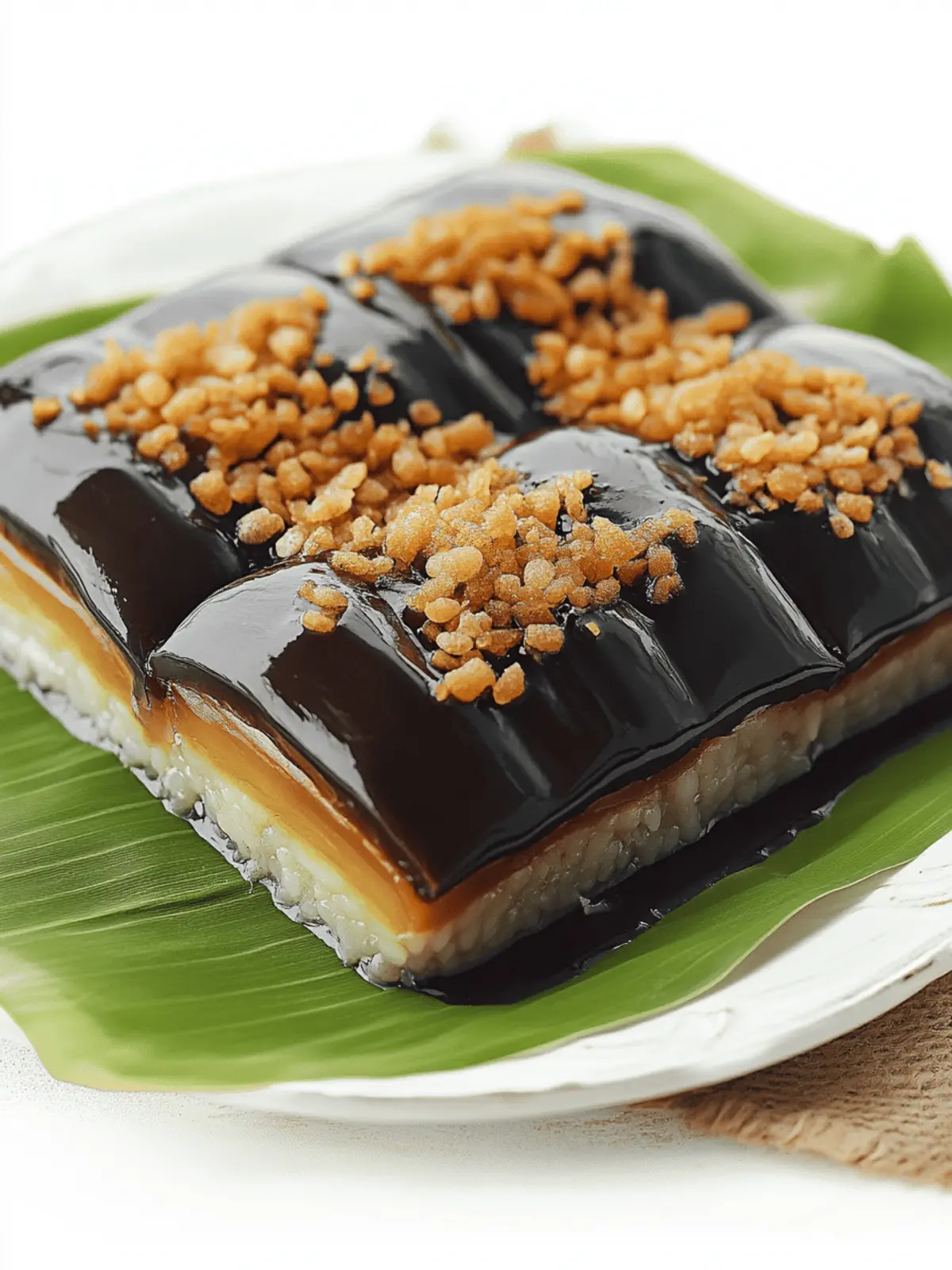
Filipino Sapin-Sapin Recipe FAQs
What types of glutinous rice flour should I use for Sapin-Sapin?
Absolutely! For the best texture in your Filipino Sapin-Sapin, always opt for pure glutinous rice flour, as it provides the chewiness that defines this dessert. You can typically find it in Asian grocery stores or online. Rice flour can also work, but it may lead to a less authentic texture.
How long can I store leftover Sapin-Sapin?
You can store your delicious Sapin-Sapin in an airtight container in the refrigerator for up to 3 days. It s best served fresh, but if you have leftovers, this method keeps the flavors and textures intact.
Can I freeze Sapin-Sapin, and if so, how?
Very! You can freeze your Sapin-Sapin for up to 1 month, which is a great way to save any extra slices. Wrap the cake tightly in plastic wrap, followed by a layer of aluminum foil to prevent freezer burn. When you re ready to enjoy it, thaw in the refrigerator overnight and serve at room temperature.
What should I do if my layers are mixing together?
If you re finding that your layers are blending, ensure that each layer is completely firm before pouring the next one over. A good trick is to gently press your finger on the top layer; if it doesn t leave an indentation, it s ready for the next! Also, steam at a consistent low to medium heat, as high temperatures can cause the layers to cook unevenly.
Are there any dietary considerations when making Sapin-Sapin?
Definitely! If you re concerned about allergies, this recipe contains coconut products, rice flour, and sugar. For those with coconut allergies, feel free to substitute the coconut milk and cream with almond or oat milk; adjust for sweetness as needed. As always, check the ingredient labels of the food you re using, especially the jackfruit, for any allergens.
Can I use an alternative sweetener in my Sapin-Sapin?
Absolutely! If you d like to try a healthier version, replace white sugar with coconut sugar, which imparts a caramel flavor to your layers. It s a wonderful way to embrace natural sweetness while adding depth to your delightful Filipino Sapin-Sapin.