
Irresistible Biko Recipe: Filipino Sticky Rice Cake Bliss
Last Updated on March 13, 2026 by Sophie
There s a comforting nostalgia that washes over me each time I prepare Biko, that classic Filipino sticky rice cake. The first whiff of the creamy coconut milk mingling with the warm sweetness of brown sugar transports me back to family gatherings, where laughter fills the air and this delightful dessert takes center stage. If you re tired of the same old fast-food routine and looking to indulge in something homemade and extraordinary, this Biko recipe is your answer.
With its simple preparation and rich, chewy texture, Biko is perfect for any occasion. Whether you re celebrating a birthday or just craving a taste of home, this treat will surely please everyone at the table. Let s dive into making this traditional Filipino delicacy that doubles as both a nostalgic experience and a culinary delight!
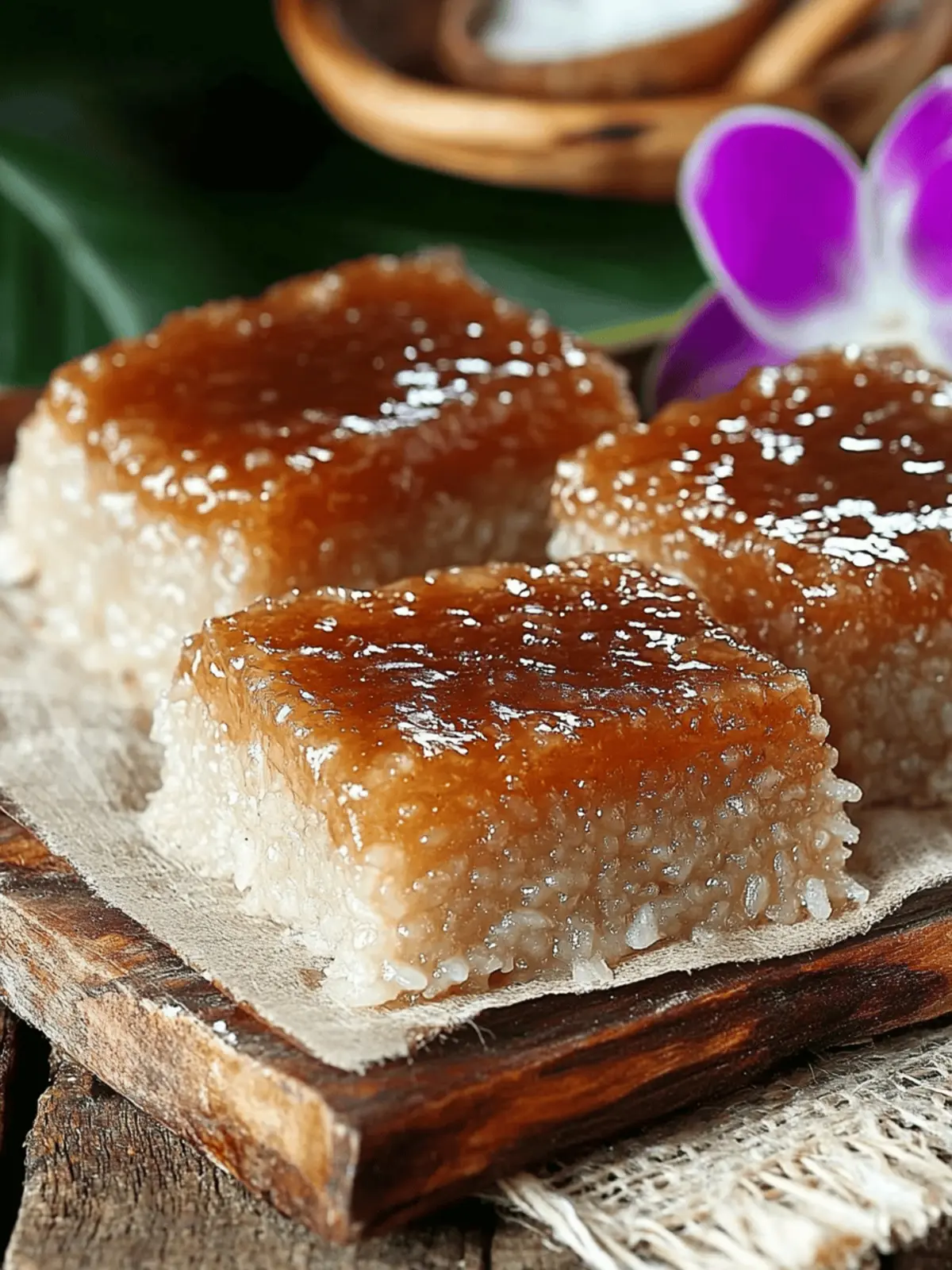
Why is this Biko Recipe a must-try?
Delightful nostalgia: Each bite of this Filipino sticky rice cake brings a wave of warm memories from family gatherings.
Effortless simplicity: With just a few basic ingredients, you can whip up this comforting dessert in no time.
Versatile flavors: Feel free to get creative with toppings or switch the sugar for unique twists!
Gluten-free treat: Made with glutinous rice, this dessert is perfect for gluten-sensitive friends.
Crowd pleaser: Biko is always a hit at celebrations, making it the perfect dish to impress your loved ones.
Serve with love: Whether on a traditional bilao or your favorite serving dish, this dessert is as enchanting in presentation as it is in taste.
Biko Recipe Ingredients
For the Rice Mixture
Glutinous Rice Provides that unique chewy texture; make sure to wash and drain it well before cooking.
Canned Coconut Milk (2 cans) Adds rich creaminess; choose full-fat for an indulgent taste or light coconut milk to save on calories.
Water Adjust the amount for the desired consistency; it s essential for cooking the rice properly.
Pandan Leaves (2 pieces) Enhances aroma and flavor; if you can t find them, 1 teaspoon of pandan extract works great as a substitute.
For the Sweet Coconut Syrup
Dark Brown Sugar (1 cup) Infuses deep caramel flavor into the syrup; lighter brown sugar can replace it but will yield less richness.
Vanilla (1 teaspoon, optional) Introduces aromatic warmth; leave it out for a purist take on this traditional dessert.
For Baking
Vegetable or Coconut Oil A must for greasing the baking pan and ensuring the Biko doesn t stick when it s time to serve!
Enjoy gathering these ingredients, and let the culinary magic begin with this beloved Biko recipe (Filipino Sticky Rice Cake)!
How to Make Biko (Filipino Sticky Rice Cake)
Grease the Pan:
Begin by greasing an 8 8-inch baking pan with vegetable or coconut oil. This step ensures that the Biko slides out easily once it s baked, making your serving effortless.Mix Ingredients:
In a large pot, combine 1 cup of coconut milk and 1 cup of water. Heat it over medium until warmed; this mixture will help cook the rice evenly while adding rich flavor.Add Glutinous Rice:
Carefully add in the washed glutinous rice and the pandan leaves. Bring the pot to a gentle simmer, then cover and cook on low until the rice absorbs most liquid but is still slightly chalky in the middle about 15-20 minutes.Prepare the Syrup:
Next, for the Latik Syrup: In a separate pan, mix 2 cups of coconut milk with 1 cup of dark brown sugar. Stir continuously over medium heat until the syrup thickens to a caramel-like consistency, taking about 10-15 minutes. Reserve ½ cup to drizzle on top later.Coat the Rice:
Gently fold the barely cooked rice into the remaining latik syrup until it s well coated. Return the mixture to medium heat to allow the rice to fully absorb the syrup, stirring occasionally for about 5 minutes.Transfer to the Pan:
Pour the rice mixture into the greased pan, spreading it evenly. Drizzle the reserved syrup on top to create a delicious glaze that will caramelize during baking.Bake the Biko:
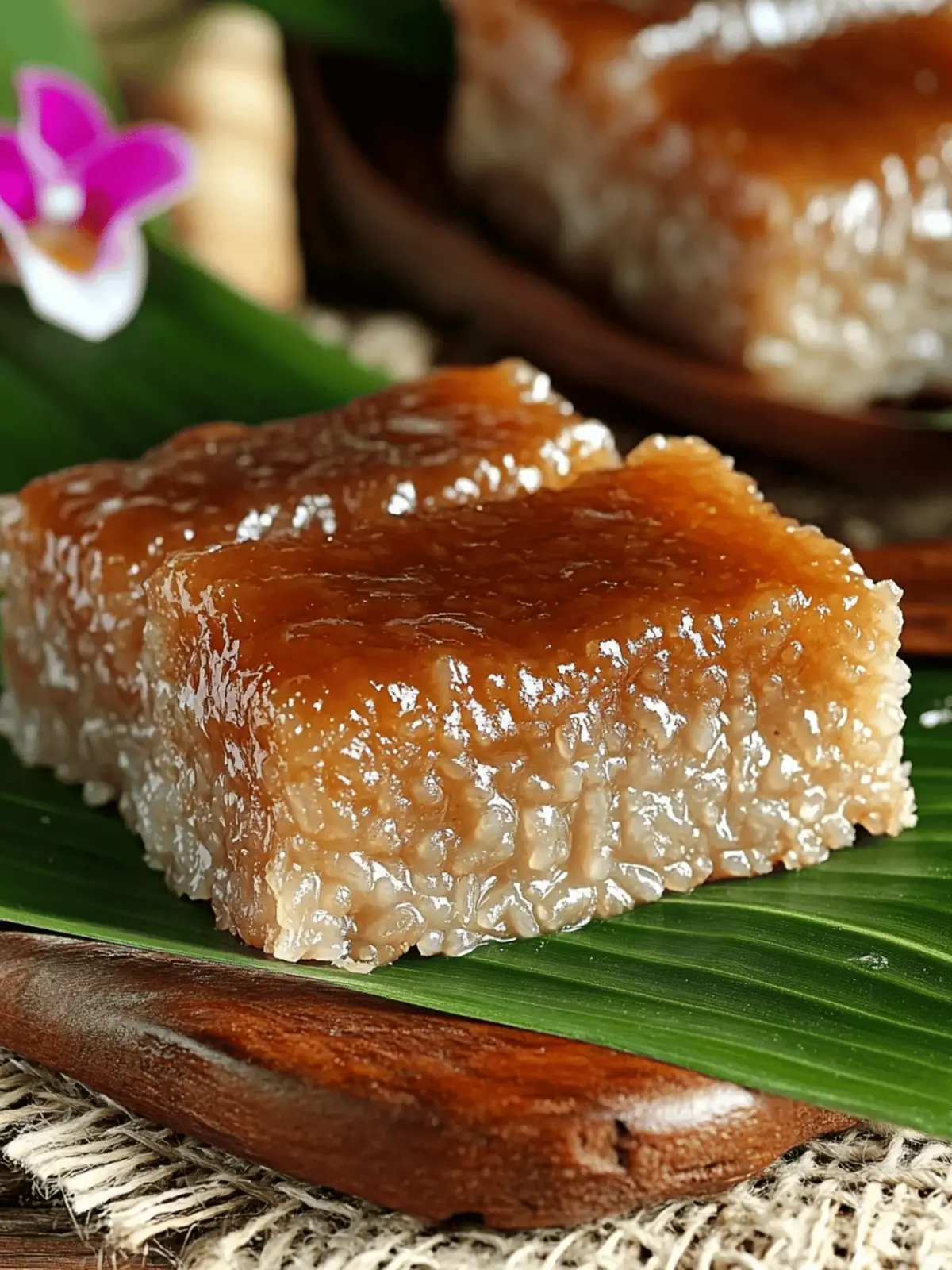
Preheat your oven to 350 °F (180 °C) and bake the Biko for 20-30 minutes. It s ready when it s bubbling and slightly caramelized on top don t forget to enjoy the delightful aroma filling your kitchen!Cool and Cut:
Once baked, allow the Biko to cool completely before slicing it into squares. This cooling period helps it firm up, making slicing a breeze.
Optional: Serve warm with a sprinkle of shredded coconut on top for added texture!
Exact quantities are listed in the recipe card below.
How to Store and Freeze Biko
Room Temperature: Store the Biko at room temperature for up to 1 day in an airtight container to maintain its moist texture and flavor.
Fridge: Place Biko in the refrigerator for up to 3 days. Cover it with plastic wrap or foil to prevent it from drying out during storage.
Freezer: To freeze, wrap individual squares tightly in plastic wrap and place them in a freezer-safe bag. Biko can be frozen for up to 2 months for later enjoyment!
Reheating: Reheat frozen Biko in the oven at 350 °F (180 °C) until warmed through, about 10-15 minutes. This will help restore its delicious chewy texture.
Biko Variations
Feel free to explore and personalize this delightful dessert with these exciting twists!
Coconut Sugar: Swap dark brown sugar for coconut sugar to impart a unique flavor with a hint of caramel.
Shredded Coconut: Add a sprinkle of toasted shredded coconut on top for extra texture and a burst of coconut flavor.
Vanilla Bean: Use a fresh vanilla bean instead of extract for a richer, more fragrant aroma in the syrup.
Mango Topping: Top with fresh mango slices for a refreshing, fruity twist that brightens every bite.
Chocolate Drizzle: Drizzle melted dark chocolate over the cooled Biko for a decadent chocolate twist without overpowering the traditional flavor.
Sesame Seeds: Sprinkle toasted sesame seeds on top for a wonderful nutty crunch that complements the creamy texture perfectly.
Matcha Infusion: Mix a tablespoon of matcha powder into the rice mixture before cooking for a vibrant green color and herbal flavor.
Spiced Sweetness: Add a pinch of cinnamon or nutmeg to the syrup for a warm, cozy depth that s perfect for chilly evenings.
Make Ahead Options
These Biko squares are fantastic for meal prep and can be made ahead for those busy weeknights! You can prepare the rice mixture and the latik syrup up to 24 hours in advance. Store them separately in airtight containers in the refrigerator; this helps maintain their flavors and textures. When you re ready to enjoy the Biko, simply combine the rice with the syrup and transfer to a greased baking pan. Bake at 350 °F (180 °C) for about 20-30 minutes until it s bubbling and caramelized. This way, you ll have that comforting, homemade dessert ready with minimal effort, just as delightful as if you made it fresh!
What to Serve with Biko (Filipino Sticky Rice Cake)?
Biko is a delightful treat that shines in any meal, inviting a medley of flavors and textures to the table.
- Sweet Mangos: The juicy sweetness of ripe mangos perfectly complements the creamy richness of Biko, balancing every bite with a fresh burst of flavor.
- Coconut Flan: This silky dessert adds another layer of creaminess, creating a wonderfully indulgent feast that echoes the coconut theme of Biko.
- Fruit Salad: A vibrant medley of tropical fruits offers a refreshing and colorful contrast, enhancing the experience with its zesty acidity.
- Chai Tea: The warm spices and creamy texture of chai elevate the sweetness of Biko, creating a cozy drink to sip alongside this classic dessert.
- Peanut Butter Cookies: For a fun twist, these cookies bring a crunchy texture that pairs deliciously with the chewy Biko, making every bite an adventure.
- Grilled Pineapple Slices: The caramelization enhances the fruit s natural sweetness, creating a wonderful complement to the rich flavors of the rice cake.
- Coconut Light Sorbet: A cool and refreshing dessert option that mirrors the coconut notes in Biko, providing a light finish after this rich indulgence.
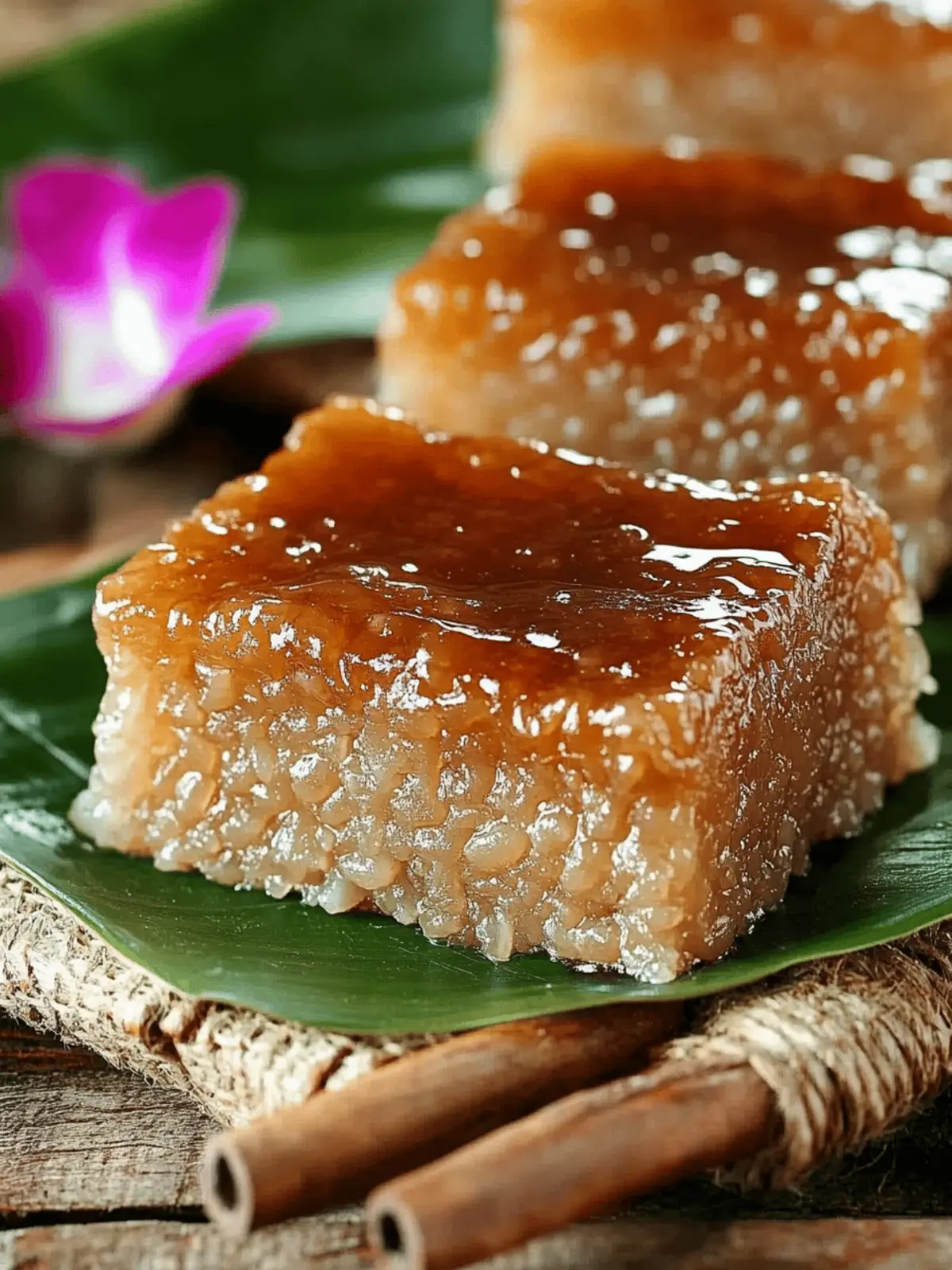
- Cultural Bilao Platter: Serve your Biko on a beautiful bamboo tray with banana leaves for an authentic touch that celebrates its Filipino roots while enhancing the presentation.
Expert Tips for Biko Recipe
- Perfect Rice Texture: Ensure you do not overcook the glutinous rice during the initial simmer; it should remain slightly chalky in the center for the best absorption of syrup.
- Check Oven Cues: Every oven is different, so keep an eye on visual cues like bubbling and color change to determine when your Biko is perfectly caramelized.
- Syrup Consistency: If you re worried about the syrup caramelizing too fast, lower the heat and stir continuously to achieve that rich flavor without burning.
- Flavor Variations: Experiment by using coconut sugar instead of dark brown sugar for a unique twist on your Biko recipe that still embraces authentic flavors.
- Serving Tips: For a delightful touch, serve your Biko on a traditional bilao lined with banana leaves. It adds a cultural flair and is perfect for sharing!
Biko (Filipino Sticky Rice Cake) Recipe FAQs
What kind of glutinous rice should I use for Biko?
You should use glutinous rice specifically labeled for desserts, often found in Asian grocery stores. Make sure to wash and drain it thoroughly before cooking to ensure the right texture. Look for rice that is pearly and somewhat opaque for optimal results.
How long can I store Biko, and what s the best method?
You can store Biko at room temperature in an airtight container for up to 1 day. For longer storage, transfer it to the refrigerator for up to 3 days. Make sure to cover it to prevent it from drying out. If you want to keep it longer, freeze it (instructions below).
Can I freeze Biko, and how should I do it?
Absolutely! To freeze Biko, wrap individual squares tightly in plastic wrap, ensuring there is no air exposure, which helps retain moisture. Then place them in a freezer-safe bag or container. Biko can be frozen for up to 2 months. When ready to enjoy, reheat in the oven at 350 °F (180 °C) for about 10-15 minutes until warmed through.
My Biko turned out too dry. What could have gone wrong?
If Biko seems too dry, it may be due to over-baking or insufficient moisture during the cooking process. Ensure the rice is only partially cooked before combining with the syrup, and always keep an eye on its baking time. A bubbling surface but not overly firm texture is your guide.
Is Biko suitable for people with dietary restrictions?
Yes, Biko is naturally gluten-free since it s made with glutinous rice, making it a wonderful dessert for those with gluten sensitivities. However, it s still essential to check the labels on your ingredients (especially the coconut milk) for any allergens. Always inform your guests of the ingredients used!
Can I add more toppings to my Biko?
The more, the merrier! You can absolutely enhance your Biko with toppings such as shredded coconut, chopped nuts, or even fruits like mango or jackfruit for a delightful twist. Experiment and find a combination that suits your taste buds!